



Why 304 Stainless Steel IBC is the Industry Workhorse for 500L to 1500L


Ask any plant manager what IBC Tank they use most, and the answer is almost always the same: 304 stainless steel ibc.
It’s not the most exotic grade. It’s not the most expensive. But for 80% of bulk liquid storage applications, 304 is the right balance of durability, hygiene, and cost.
We’ve shipped thousands of 304 stainless steel ibc tanks to food plants, chemical distributors, and water treatment facilities across 23 countries. Here’s why it remains the industry workhorse – and when you should consider upgrading to 316.
See our full range of 1000L 304 stainless steel IBC for food-grade applications.
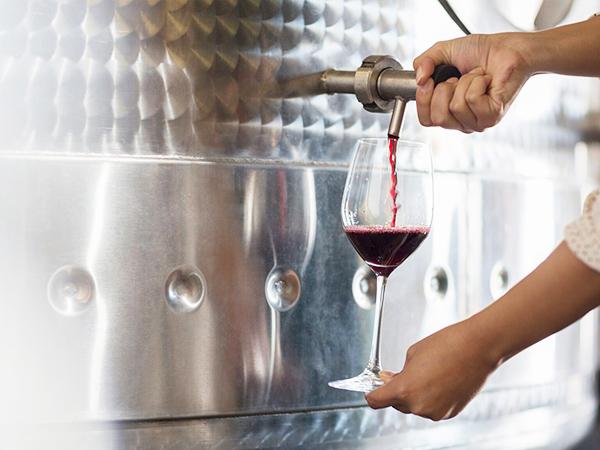
1. What Makes 304 Stainless Steel IBC So Popular?
304 stainless steel ibc contains 18% chromium and 8% nickel. This combination gives it three key properties:
Corrosion resistance – withstands water, weak acids, alkalis, and most solvents
Easy cleaning – smooth surface prevents bacterial buildup
Food safety – no harmful leaching, meets FDA requirements
These properties make the IBC Tank in 304 grade suitable for a wide range of industries: food and beverage, water treatment, detergents, cosmetics, and many industrial chemicals.
2. Capacity Options: 500L to 1500L – All in Stock
We keep all four common sizes in stock for immediate shipment. No long lead times for standard 304 stainless steel ibc tanks.
Capacity | Best For | Typical Use Case |
|---|---|---|
500L | Small batches, R&D, samples | Flavor trials, lab-scale production |
1000L | Industry standard | Most production lines, fits 80 units per 20ft container |
1200L | Same footprint, 20% more volume | Maximizing container shipping efficiency |
1500L | Stationary storage | High-volume storage where ceiling height allows |
All four capacities are available as 304 stainless steel ibc with standard 50mm ball valve, DN159 top cover, and 150mm manual vent valve.
Check availability of 1200L stainless steel IBC for your shipping needs.
【待插入图片2】 四个容量吨桶并排对比图(500L, 1000L, 1200L, 1500L)
3. Food Grade Applications: Why 304 is the First Choice
For food and beverage storage, 304 ibc food grade is the standard. Here’s what “food grade” actually means in practice:
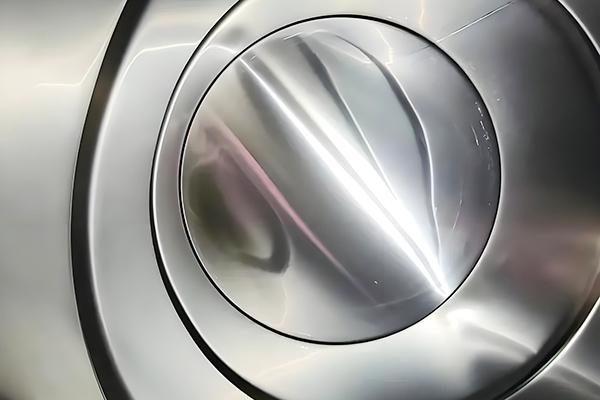
Interior finish – polished to Ra ≤ 0.8µm (mirror-like, no scratches for bacteria to hide)
Welds – fully penetrated, ground flush, and smoothed
Material certs – 3.1 mill certificates with full traceability
No flavor transfer – 304 stainless steel does not absorb oils, colors, or flavors
We supply 304 stainless steel ibc tanks to juice plants, dairies, edible oil refineries, and breweries. A juice plant in Thailand switched from plastic to 304 IBCs five years ago. Their quality manager told us: “No more plastic aftertaste. Our customers noticed within a month.”
4. Exporting 304 Stainless Steel IBC: What You Need to Know
As an experienced stainless steel ibc exporter, we’ve learned a few things about shipping these tanks internationally.
Container loading for 1000L IBC Tank:
20ft container: 80 units
40ft container: 160 units
Required documents for export:
Commercial invoice and packing list
3.1 material certificates (per heat number)
UN certification (if shipping hazardous goods)
Bill of lading
Pro tip: Mixed stacking of 1000L and 1200L units in the same container is possible. The taller 1200L units go on top. This gives you 20% more volume without changing the container count.
We’ve shipped 304 stainless steel ibc tanks to 23 countries. Every shipment includes full documentation – no missing papers, no customs delays.
5. When Should You NOT Use 304?
Honesty matters. 304 stainless steel ibc is great, but it has limits.
Liquid Type | 304 Suitable? | Why |
|---|---|---|
Fresh water, drinking water | ✅ Yes | No reaction |
Edible oils, syrups, juices | ✅ Yes | No flavor transfer |
Most solvents (acetone, ethanol) | ✅ Yes | Chemically compatible |
Detergents, water treatment chemicals | ✅ Yes | Within pH 4-10 range |
Salt water, brine | ❌ No | Chlorides cause pitting |
Hydrochloric acid | ❌ No | Will corrode |
High-temperature acids | ❌ No | 304 cannot handle |
If your liquid contains chlorides or strong acids at elevated temperatures, you need 316 stainless steel ibc. We can help you make that decision.
6. Summary: 304 Stainless Steel IBC at a Glance
Feature | What You Get |
|---|---|
Corrosion resistance | Water, weak acids, alkalis, solvents |
Food grade | FDA compliant, no flavor transfer |
Capacities | 500L, 1000L, 1200L, 1500L (all in stock) |
Standard fittings | 50mm valve, DN159 cover, 150mm vent |
Documentation | 3.1 certificates, weld maps, test reports |
Export | 23 countries, full shipping support |
Browse all IBC tanks by capacity – from 500L to 1500L, 304 or 316 grade.
Still Have Questions About 304 Stainless Steel IBC?
We’ve been building and shipping 304 stainless steel ibc tanks for over a decade. Whether you need a 500L stainless steel container for R&D or a full container of 1000L units for production, we can help.
Tell us your capacity, liquid type, and destination. We’ll reply with pricing and lead time within 24 hours.
By Fulait Engineering Team
Shijiazhuang Fulait Packaging Co., LTD
Related Blogs
-
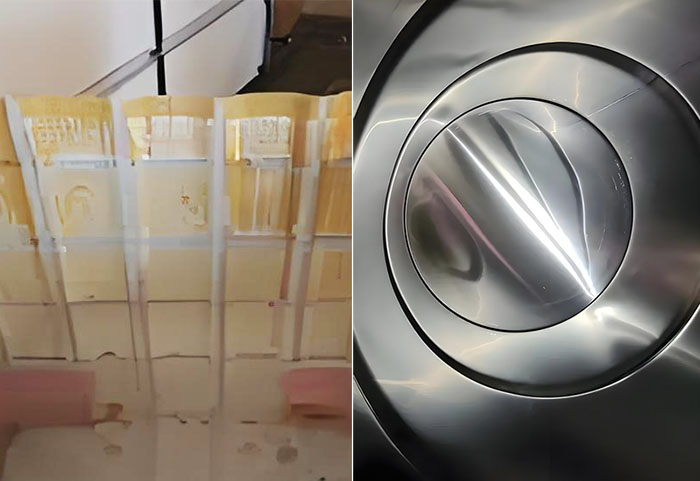 By the team at Shijiazhuang Fulait Packaging Co., LTDLast year, a tomato paste processor in California called us with a problem.Their plastic IBCs were failing after 18 months. Not leaking—but the inside surface had gone rough. Like sandpaper. Every batch was picking up microscopic bits of plastic.TIndustry Applications
 -
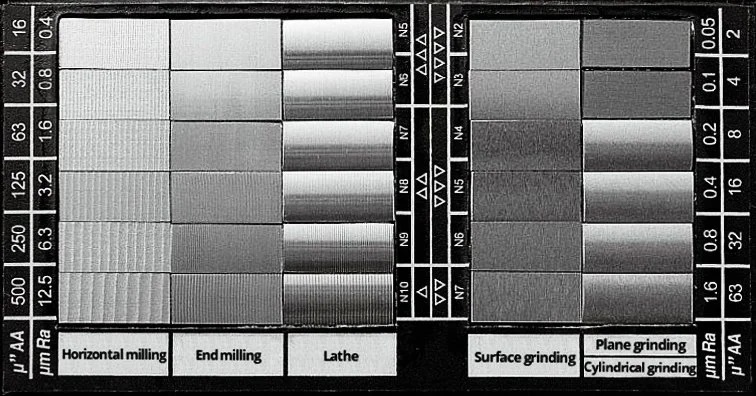 By the team at Shijiazhuang Fulait Packaging Co., LTDA quality manager at a generic drug manufacturer in India called us with a headache.Their auditor had flagged their stainless steel IBCs. Not for contamination—for "lack of documented surface finish specifications."The auditor's question: "How doIndustry Applications
 -
 By the team at Shijiazhuang Fulait Packaging Co., LTDI've been answering customer emails for 15 years.Some questions come up so often, I could answer them in my sleep.Here are the top 7—and the honest answers, not the sales pitch.Q1: "How long will a stainless steel IBC last?"Short answer: 20+ yearsFAQs
