



Stainless Steel IBCs in Pharma: What The Regulations Don't Tell You


By the team at Shijiazhuang Fulait Packaging Co., LTD
A quality manager at a generic drug manufacturer in India called us with a headache.
Their auditor had flagged their stainless steel IBCs. Not for contamination—for "lack of documented surface finish specifications."
The auditor's question: "How do you know your containers aren't trapping residue in microscopic scratches?"
They didn't have an answer. We gave them one.
The Unwritten Rules of Pharma IBCs
Here's what the regulations actually say:
FDA 21 CFR 177 talks about materials
USP <88> covers biological reactivity
GMP guidelines mention cleanability
But what they don't tell you is how to prove it.
After 15 years supplying pharma companies, here's what we've learned actually matters:
Requirement | What It Really Means |
|---|---|
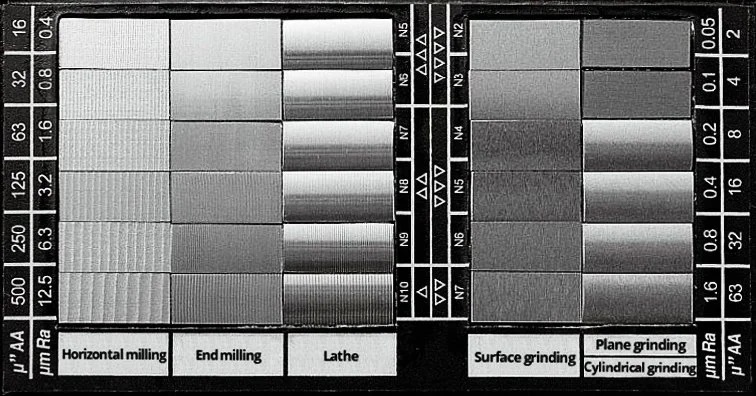
Surface finish | Ra ≤ 0.8μm (mirror polish). No exceptions. |
Weld quality | No pits, no crevices, full penetration |
Material certs | 3.1 mill certificates, traceable to heat number |
Cleanability validation | Can you prove it's clean? |
Documentation | Everything. On paper. |
The "Ah Ha!" Moment: It's About Validation, Not Just Cleaning
Most pharma companies know how to clean.
The hard part? Proving it's clean.
This is where stainless steel IBCs earn their keep.
A sterile fill contractor in Germany switched from disposable liners to our 316L IBCs. Their validation protocol:
Soil the IBC with a known contaminant
Run their CIP cycle
Swab test at 10 critical points
Send swabs for HPLC analysis
Pass rate with plastic IBCs: 73%
Pass rate with our polished 316L IBCs: 98%
The difference? Those microscopic scratches in plastic—and even in poorly polished stainless—can hide residue.
Three Pharma Applications Where IBCs Shine
1. API Intermediates
Before the final active ingredient, there's the intermediate. Often in solvent. Often valuable. Often needs clean transfer between reactors.
Our IBCs with tri-clamp connections and mirror-polished interiors are built for this.
2. Buffer Solutions
Biopharma runs on buffers. And buffers are notoriously hard on equipment—some are alkaline, some are salty.
316L with electropolished surface handles them all.
3. WFI (Water for Injection)
The purest water on earth. It's so pure it wants to leach ions from whatever touches it.
Only properly passivated 316L or better can handle WFI without contaminating it.

The Documentation Package Pharma Buyers Need
If you're buying IBCs for pharma, ask your supplier for:
3.1 material certificates for all wetted parts
Surface finish reports with Ra values
Weld maps showing every weld is inspected
Passivation certificates (nitric or citric)
Cleaning validation support if needed
We provide all of this as standard for pharma customers.
A Story About What "Clean Enough" Costs
A biotech startup in Boston bought cheap IBCs from a trader. Saved $3,000 on five tanks.
First batch of their experimental drug failed QA. Traces of the previous user's product found in the tank.
Investigation cost: $15,000
Lost batch value: $80,000
Delayed clinical trial: Priceless
They now buy from us. Their QA director's words: "I don't care if they cost twice as much. I need to know exactly what's in that tank."
The "Good Enough" Trap
In pharma, "good enough" isn't.
If your IBC isn't documented, it didn't happen.
If your surface finish isn't verified, assume it's not smooth enough.
If your welds aren't mapped, they're suspect.
We built our pharma-grade IBCs around this thinking. Every tank ships with a binder thicker than most novels.
Need Help Specifying for Pharma?
Drop a line to admin@stainlesssteelibc.com with your application.
We'll send you a spec sheet that covers what your auditor will ask—before they ask it.
Related Blogs
-
 By the team at Shijiazhuang Fulait Packaging Co., LTDLast year, a tomato paste processor in California called us with a problem.Their plastic IBCs were failing after 18 months. Not leaking—but the inside surface had gone rough. Like sandpaper. Every batch was picking up microscopic bits of plastic.TIndustry Applications
 -
 By the team at Shijiazhuang Fulait Packaging Co., LTDA quality manager at a generic drug manufacturer in India called us with a headache.Their auditor had flagged their stainless steel IBCs. Not for contamination—for "lack of documented surface finish specifications."The auditor's question: "How doIndustry Applications
 -
 By the team at Shijiazhuang Fulait Packaging Co., LTDI've been answering customer emails for 15 years.Some questions come up so often, I could answer them in my sleep.Here are the top 7—and the honest answers, not the sales pitch.Q1: "How long will a stainless steel IBC last?"Short answer: 20+ yearsFAQs
