



Why Food Processors Are Switching From Plastic To Stainless Steel IBCs (And Why You Should Too)


By the team at Shijiazhuang Fulait Packaging Co., LTD
Last year, a tomato paste processor in California called us with a problem.
Their plastic IBCs were failing after 18 months. Not leaking—but the inside surface had gone rough. Like sandpaper. Every batch was picking up microscopic bits of plastic.
Their QA manager said: "We're basically microplasting our own product."
They switched to 316L stainless steel. That was three years ago. Same IBCs, still smooth as glass.
The Hidden Cost of Plastic
Let's talk about what nobody tells you:
Factor | Plastic IBC | Stainless Steel IBC |
|---|---|---|
Lifespan | 2-5 years | 15-25 years |
Surface degradation | Yes—becomes rough over time | No—stays smooth |
Temperature limit | 60-80°C | Up to 400°C |
Cleaning | Can't use high heat | CIP compatible |
Resale value | Zero | 30-40% after 10 years |
A dairy in Wisconsin did the math: over 20 years, their stainless steel IBCs cost them 40% less than replacing plastic every three years.
The "Ah Ha!" Moment Most Food Processors Miss
Here's the thing about food-grade stainless steel.
It's not just about being "food safe." That's table stakes.
The real advantage? 316L stainless steel is chemically neutral.
It doesn't add flavor. It doesn't take flavor away. It doesn't react with acids in your tomato sauce or oils in your dressing.
A vinegar producer told us: "When we used plastic, the first batch after cleaning always tasted like... plastic. With stainless? First batch tastes like vinegar."
That's the difference between "acceptable" and "premium."
Three Food Applications Where Stainless Shines
1. Edible Oils
Olive oil. Coconut oil. Avocado oil.
These fats can penetrate plastic over time. Ever seen a plastic container that looks permanently oily? That's oil absorbed into the material. It can turn rancid and contaminate fresh oil.
Stainless steel? Non-porous. Zero absorption.
2. High-Acid Foods
Tomato products. Citrus juices. Vinegar-based dressings.
Acids can slowly etch plastic, creating micro-cracks where bacteria hide. Stainless steel laughs at acid.
3. Hot-Fill Applications
If you're filling above 80°C, plastic isn't even an option. Stainless handles it all day.
The "But Stainless Is Expensive" Myth
Let's bust this right now.
Cost Factor | Plastic | Stainless |
|---|---|---|
Purchase price | Lower | Higher |
Lifespan | 3 years | 20 years |
Replacements needed | 6-7 | 0 |
20-year total cost | $X × 7 | $X × 1 × 0.6 (resale) |
A customer in Spain bought 50 stainless IBCs in 2015. In 2025, he sold 20 of them for 35% of original price to fund expansion.
Try doing that with plastic.
What Food Processors Ask Us
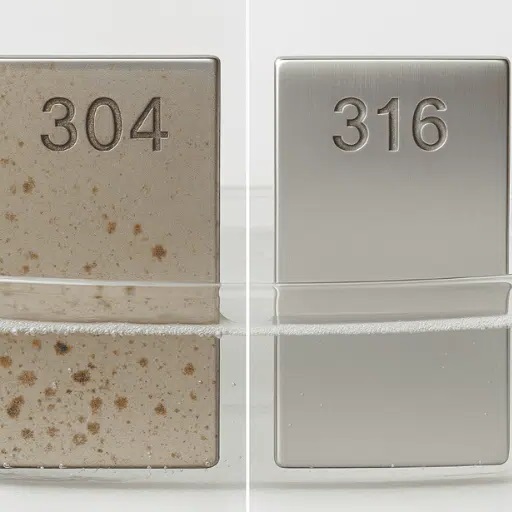
Q: Is 304 good enough for food?
A: For most foods, yes. But if you're dealing with salty brines or high-acid products, 316L is worth the upgrade.
Q: How do I clean it between batches?
A: Hot water rinse, maybe a mild caustic if needed. Stainless handles CIP like a champ.
Q: Can I use it for different products?
A: That's the beauty. Clean it properly, and you can switch from tomato sauce to olive oil with zero flavor transfer.
A Standing Offer
If you're still using plastic and wondering if stainless makes sense for your operation:
Send an email to admin@stainlesssteelibc.com with what you're processing.
We'll send you a simple spreadsheet showing the 10-year cost comparison. Sometimes plastic wins (rare). Sometimes stainless is a no-brainer.
No pressure. Just math.
Related Blogs
-
 By the team at Shijiazhuang Fulait Packaging Co., LTDI'll be honest: most IBC cleaning guides online are useless.They tell you to "use appropriate cleaning solutions" and "rinse thoroughly." No kidding.Here's the real deal—what we've learned from watching customers ruin tanks, save tanks, and everytTechnical Articles
 -
 By the team at Shijiazhuang Fulait Packaging Co., LTDA quality manager at a generic drug manufacturer in India called us with a headache.Their auditor had flagged their stainless steel IBCs. Not for contamination—for "lack of documented surface finish specifications."The auditor's question: "How doIndustry Applications
 -
 By Tom Chen, Sales Engineer at Flytech IBC(15 years in the stainless steel container industry)I'll never forget the call from a food processing plant in Ohio back in 2019.The owner was frustrated. He'd just spent nearly double on a fleet of 316 stainless steel IBCs because his "research" told him stTechnical Articles
