



How To Clean A Stainless Steel IBC: A No-Nonsense Guide That Actually Works


By the team at Shijiazhuang Fulait Packaging Co., LTD
I'll be honest: most IBC cleaning guides online are useless.
They tell you to "use appropriate cleaning solutions" and "rinse thoroughly." No kidding.
Here's the real deal—what we've learned from watching customers ruin tanks, save tanks, and everything in between.
Why Cleaning Matters More Than You Think
A stainless steel IBC isn't like a plastic one. Plastic absorbs. Stainless steel doesn't—if it's clean.
But here's the catch: a dirty stainless steel IBC can harbor bacteria, contaminate your next batch, and even corrode if residue sits too long.
I watched a craft brewery lose an entire batch of IPA last year because their "clean" IBC still had sanitizer residue. The beer came out tasting like a swimming pool.
Don't be that brewery.
The 5-Step Method That Actually Works
After 15 years, here's our go-to cleaning protocol:
Step 1: Empty Completely
Sounds obvious, right? You'd be surprised.
That sloped bottom we design into our IBCs? It's not for looks. It's so every last drop drains out.
If your IBC has flat spots where liquid pools, you're fighting a losing battle.
Step 2: Rinse Immediately
The longer residue sits, the harder it sticks.
We had a customer storing molasses who left a tank unrinsed over a weekend. Monday morning, they had a brick of sugar welded to the bottom. Took two days to dissolve it.
Rule of thumb: Rinse within 30 minutes of emptying. Hot water if possible.
Step 3: Choose Your Weapon (Cleaning Agents)
Here's what works for what:
Residue Type | Cleaning Agent | Temperature |
|---|---|---|
Oils/fats | Hot water + degreaser | 60-70°C |
Sugars/syrups | Hot water only | 70-80°C |
Proteins (dairy) | Alkaline cleaner | 50-60°C |
Mineral deposits | Acidic cleaner (citric/phosphoric) | 50-60°C |
Stubborn biofilm | Chlorinated cleaner | Ambient |
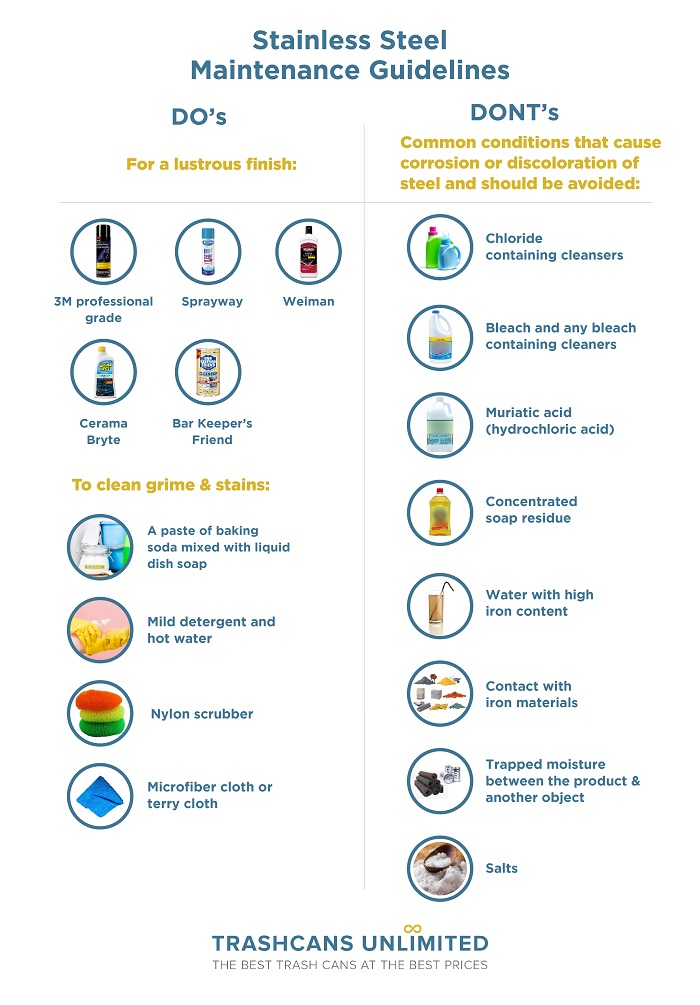
Warning: Never mix chlorine-based cleaners with acids. Bad things happen.
Step 4: Mechanical Action
Chemicals alone won't do it. You need scrubbing.
For small IBCs, a long-handled brush works. For larger ones, consider a spray ball setup—like a rotating sprinkler head inside the tank.
CIP (Clean-in-Place) systems are the gold standard. We can help you design one if you're cleaning the same tank repeatedly.
Step 5: Final Rinse and Dry
Triple rinse with potable water. Then:
For food use: Let it air dry completely
For sensitive applications: Final rinse with DI water
For quick turnaround: Use a food-safe sanitizer, then rinse again
The "Never Do This" List
From real customer mistakes:
Never use hydrochloric acid on stainless steel. It's suicide for your tank.
Never scrub with steel wool. Those tiny particles embed and rust later.
Never leave caustic soda sitting overnight. It can pit 304 grade.
Never assume "clean" means "sanitary." Two different things.
A Quick Story
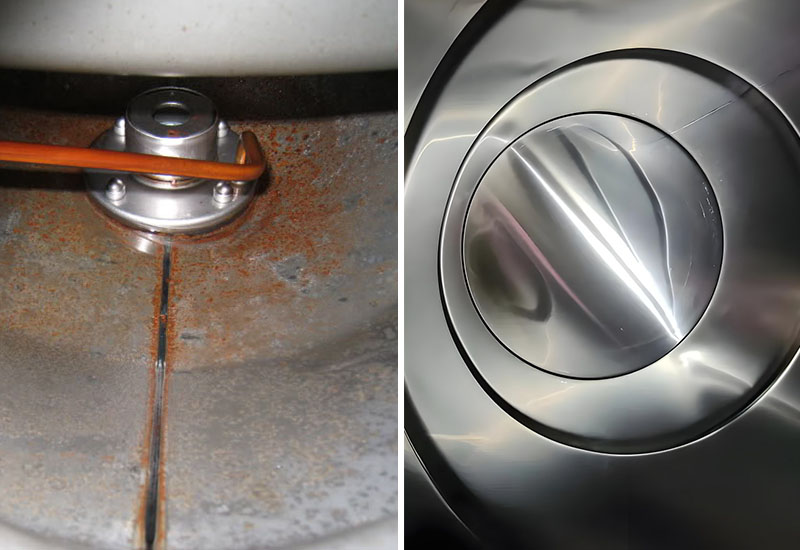
A pharmaceutical client in Ireland called us panicked. Their 316L IBCs were showing rust spots after six months.
We asked what they were cleaning with.
"Bleach," they said. "Lots of bleach."
Chlorine + stainless steel = pitting. They'd been using 10% sodium hypochlorite for cleaning, then leaving it wet.
We switched them to peracetic acid and a quick-dry protocol. Problem solved.
When to Call Us
If you're dealing with:
Stubborn residues that won't budge
Biofilm you can't seem to kill
Corrosion spots appearing
Drop us a line at admin@stainlesssteelibc.com. We've probably seen it before.
Got a specific cleaning challenge? Tell us what you're storing and what you've tried. We'll tell you what actually works.
Related Blogs
-
 By the team at Shijiazhuang Fulait Packaging Co., LTDLast year, a tomato paste processor in California called us with a problem.Their plastic IBCs were failing after 18 months. Not leaking—but the inside surface had gone rough. Like sandpaper. Every batch was picking up microscopic bits of plastic.TIndustry Applications
 -
 By the team at Shijiazhuang Fulait Packaging Co., LTDA quality manager at a generic drug manufacturer in India called us with a headache.Their auditor had flagged their stainless steel IBCs. Not for contamination—for "lack of documented surface finish specifications."The auditor's question: "How doIndustry Applications
 -
 By the team at Shijiazhuang Fulait Packaging Co., LTDI've been answering customer emails for 15 years.Some questions come up so often, I could answer them in my sleep.Here are the top 7—and the honest answers, not the sales pitch.Q1: "How long will a stainless steel IBC last?"Short answer: 20+ yearsFAQs
