



304 vs 316 Stainless Steel IBC: Which One Do You Really Need?


If you’re buying an IBC Tank for chemicals, food ingredients, or pharmaceutical liquids, the first question is almost always the same:
“Should I get 304 or 316?”
There’s a lot of confused advice out there. Some suppliers automatically push 316 because it costs more. Others say 304 is “good enough” for everything – which is also wrong.
We’ve been building 304 stainless steel ibc and 316 stainless steel ibc tanks for over a decade. This guide is based on what we’ve learned from real customers – not from marketing brochures.
1. The Short Answer (If You Need It Now)
304 stainless steel ibc – for clean liquids: water, detergents, edible oils, syrups, most solvents. It’s the best value for money.
316 stainless steel ibc – for liquids with salt, chlorides, or acids: brine, seawater, hydrochloric acid, many pharmaceutical intermediates.
Still not sure? Read on. There’s a simple test at the end of this article.
2. A Real Customer Story
A chemical distributor in Ohio called us a few years ago. They’d bought ten 304 stainless steel ibc tanks from a competitor for storing calcium chloride brine.
Eight months later, five of them were leaking from pinhole corrosion.
We replaced them with 316 stainless steel ibc tanks. Same liquid, same temperature. Those are still running six years later – no leaks, no pitting.
That customer now keeps a sticky note on his monitor: “Chlorides = 316. Period.”
The lesson? The upfront saving was about 2,000.Thecostofreplacingfivetanks?Over12,000, plus the lost product.
3. The Technical Difference – No Jargon
304 stainless steel ibc contains 18% chromium and 8% nickel. That’s enough to resist oxygen, water, and weak acids. It’s tough and easy to clean. Perfect for food, beverages, clean chemicals, and water treatment.
316 stainless steel ibc adds 2% molybdenum. That extra element makes it fight chloride pitting and crevice corrosion much better. If your liquid contains salt or chlorides, you want 316.
Think of it this way:
304 is like a good raincoat – keeps you dry in normal rain.
316 is like a wetsuit – keeps you safe when you swim in the sea.
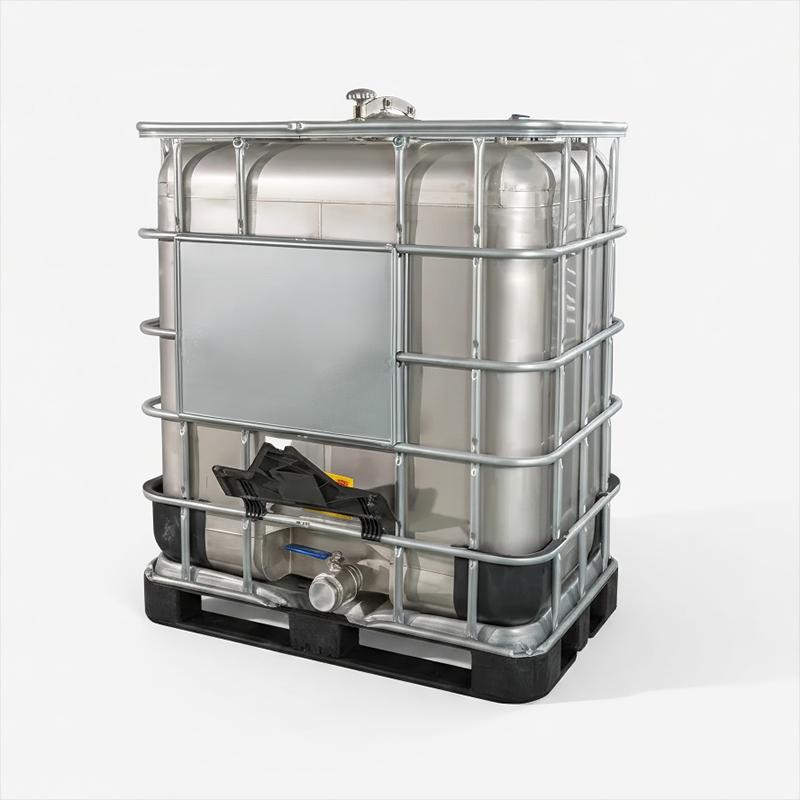
4. Capacity Options: 500L, 1000L, 1200L, 1500L
We manufacture all four common sizes in both 304 stainless steel ibc and 316 stainless steel ibc:
Capacity | Best for |
|---|---|
500L | Small batches, R&D, sample transport |
1000L | Industry standard, most applications |
1200L | Same footprint as 1000L, 20% more volume |
1500L | Stationary storage, high ceiling required |
5. How to Decide: A Simple Test
Take a small piece of 316 stainless steel.
Put it in a glass jar with your liquid.
Leave it for 7 days at room temperature.
Look for pits, dark spots, or rust.
What the results mean:
Result | Recommendation |
|---|---|
No visible change | 304 stainless steel ibc will work. |
Pitting or rust | 316 stainless steel ibc is required. |
6. Summary
Keyword | Best for |
|---|---|
Clean liquids, food, water, mild chemicals | |
316 stainless steel ibc | Salt, chlorides, acids, pharma |
IBC Tank | Bulk liquid storage |
Still Not Sure? Ask Us.
Tell us your product (name, concentration, temperature). We’ll reply with a straight recommendation – no hard sell.
By Fulait Engineering Team
Shijiazhuang Fulait Packaging Co., LTD
Related Blogs
-
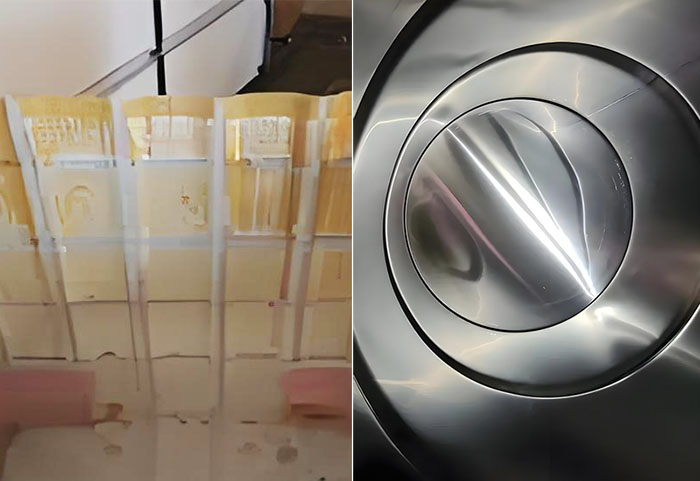 By the team at Shijiazhuang Fulait Packaging Co., LTDLast year, a tomato paste processor in California called us with a problem.Their plastic IBCs were failing after 18 months. Not leaking—but the inside surface had gone rough. Like sandpaper. Every batch was picking up microscopic bits of plastic.TIndustry Applications
 -
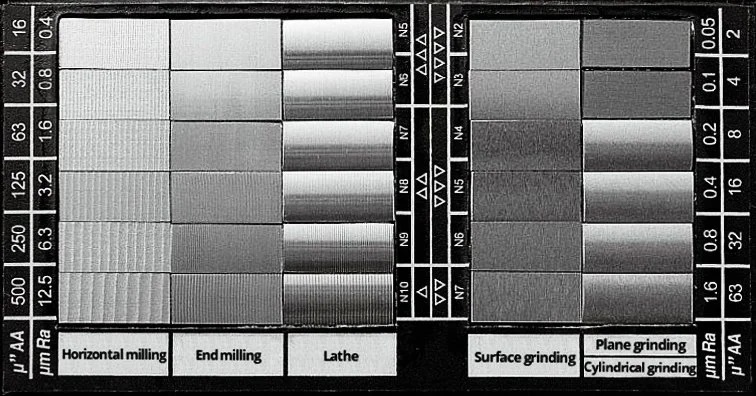 By the team at Shijiazhuang Fulait Packaging Co., LTDA quality manager at a generic drug manufacturer in India called us with a headache.Their auditor had flagged their stainless steel IBCs. Not for contamination—for "lack of documented surface finish specifications."The auditor's question: "How doIndustry Applications
 -
 By the team at Shijiazhuang Fulait Packaging Co., LTDI've been answering customer emails for 15 years.Some questions come up so often, I could answer them in my sleep.Here are the top 7—and the honest answers, not the sales pitch.Q1: "How long will a stainless steel IBC last?"Short answer: 20+ yearsFAQs
