



316 Stainless Steel IBC vs Sanitary Stainless Steel IBC – What’s the Difference?


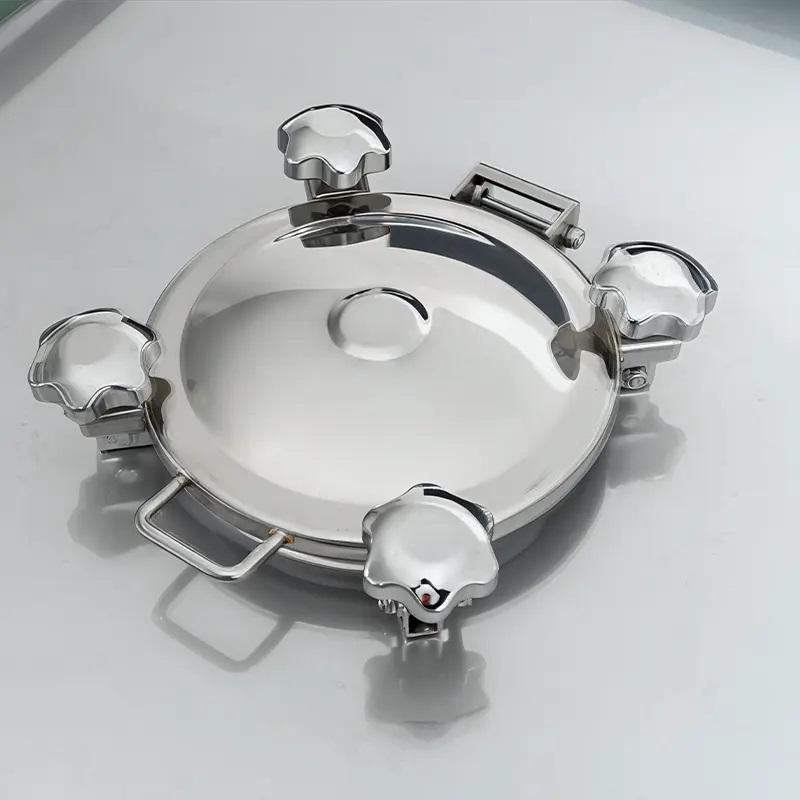
Two terms often get mixed up: 316 stainless steel ibc and sanitary stainless steel ibc. They sound similar. They both use stainless steel. But they solve two completely different problems.
316 stainless steel ibc is about material chemistry – the steel itself resists chlorides and acids.
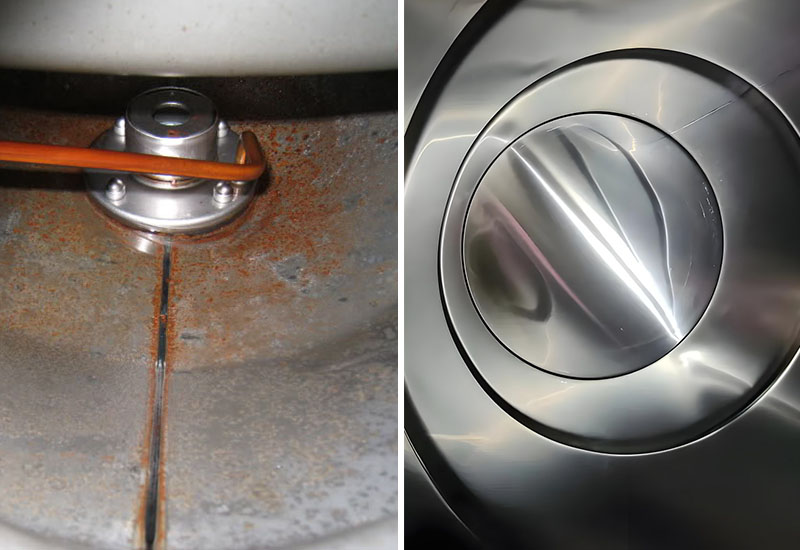
Sanitary stainless steel ibc is about surface finish – the interior is polished so bacteria can’t hide.
Sometimes you need both. Sometimes you only need one. This guide explains the difference, so you don’t overpay or underspec.
We’ve supplied both types to pharmaceutical, biotech, and chemical customers across 23 countries. Here’s what we’ve learned.
See our 316 stainless steel IBC for chemical storage applications.

1. What is 316 Stainless Steel IBC?
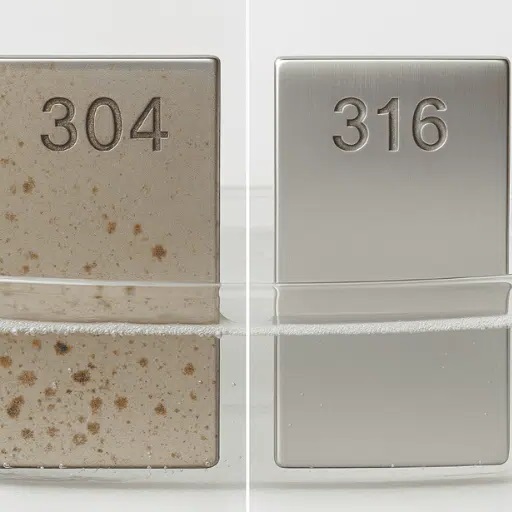
316 stainless steel ibc adds 2% molybdenum to the standard 304 formula. This small addition makes a big difference:
Property | 304 | 316 |
|---|---|---|
Molybdenum content | 0% | 2% |
Chloride resistance | Moderate | Excellent |
Pitting resistance | Low | High |
Cost | Baseline | +30-40% |
Best for | Clean liquids, food | Salt, acids, pharma |
When you need 316 stainless steel ibc:
Salt water, brine, seawater
Hydrochloric acid (dilute, ambient)
Many pharmaceutical intermediates
Any liquid with chlorides (Cl⁻)
A chemical plant in Houston stores calcium chloride brine. They started with 304. Eighteen months later, they had pinhole leaks. They switched to 316 stainless steel ibc. That was five years ago. No leaks since.
Check our 316L IBC for pharmaceutical applications.

2. What is Sanitary Stainless Steel IBC?
Sanitary stainless steel ibc is not about the steel grade – it’s about how the tank is finished.
Even 316 stainless steel can trap bacteria if the surface is rough. A sanitary IBC has:
Mirror-polished interior – Ra ≤ 0.8µm (smooth as glass)
Fully penetrated welds – ground flush, no crevices
Sloped bottom – complete drainage, no pooling
CIP compatible – can be cleaned without disassembly
You need a sanitary stainless steel ibc for:
Dairy (milk, yogurt, cream)
Beer and wine
Juice and syrups
Pharmaceutical intermediates
Biotech and injectable products
A dairy in Wisconsin switched from a standard finish to sanitary stainless steel ibc. Their CIP cycle time dropped by 40%. Their lab tests for bacteria came back clean every time.
3. Do You Need Both? A Simple Decision Guide
Your Product | 316 Grade? | Sanitary Finish? | Why |
|---|---|---|---|
Edible oil (no salt) | No (304 is fine) | No (standard finish OK) | No chlorides, no bacteria risk |
Pickle brine | Yes | No | Chlorides need 316, but brine isn’t sanitary-critical |
Fruit juice concentrate | No (304 OK) | Yes | Needs sanitary finish, but no chlorides |
Pharmaceutical API with salts | Yes | Yes | Both – chlorides + purity requirements |
Injectable solution | Yes | Yes | Highest standard for both |
The overlap: Pharmaceutical and biotech applications often require 316 stainless steel ibc with sanitary finish. That’s our most common spec for drug ingredient storage.
4. Capacity Options: 500L to 1500L for Both Types
We manufacture both 316 stainless steel ibc and sanitary stainless steel ibc in all standard capacities:
Capacity | Best for 316 | Best for Sanitary |
|---|---|---|
500L | Lab-scale chemical trials | Small-batch pharma R&D |
1000L | Industrial chemical storage | Standard pharma production |
1200L | High-volume chemical shipping | Bulk ingredient storage |
1500L | Stationary chemical tanks | Large-batch biotech |
Browse all IBC tanks by capacity – from 500L to 1500L, 316 or sanitary grade.
5. Documentation: What You Get With Every IBC
Every 316 stainless steel ibc and sanitary stainless steel ibc we ship includes:
3.1 material certificates – traceable to the original mill heat number
Weld maps – showing every seam and who welded it
Pressure test reports
Surface finish measurements – Ra value for sanitary grades
Passivation certificate – for corrosion resistance
For pharmaceutical customers, we provide additional validation support upon request.
6. Common Mistakes We See
Mistake #1: Buying 316 when you don’t need it
Not every chemical needs 316. If your liquid has no chlorides and isn’t highly acidic, 304 works fine. Don’t pay 40% more for nothing.
Mistake #2: Buying sanitary finish when you don’t need it
Sanitary finish adds cost. If you’re storing industrial chemicals that won’t be consumed by humans, standard finish is adequate.
Mistake #3: Buying 304 with sanitary finish for pharma
Some pharmaceutical intermediates contain traces of chlorides. Sanitary finish alone won’t stop pitting. You need both 316 and sanitary.
Mistake #4: No documentation
For pharma and biotech, lack of material certs can fail an audit. Always ask for 3.1 certificates before ordering.
7. Summary: Which One Do You Need?
If you store… | You need… |
|---|---|
Clean liquids, food, water | 304 stainless steel ibc (standard finish) |
Salt water, brine, chlorides | 316 stainless steel ibc (standard finish) |
Dairy, juice, beer, wine | 304 or 316 + sanitary finish |
Pharma intermediates with salts | 316 stainless steel ibc + sanitary finish |
Injectable / biotech products | 316 stainless steel ibc + sanitary finish + full documentation |
Still Not Sure?
We’ve helped hundreds of customers choose between 316 stainless steel ibc and sanitary stainless steel ibc. Tell us your product (name, concentration, temperature, and cleanliness requirements). We’ll recommend the right spec – no upselling.
By Fulait Engineering Team
Shijiazhuang Fulait Packaging Co., LTD
Related Blogs
-
 By Tom Chen, Sales Engineer at Flytech IBC(15 years in the stainless steel container industry)I'll never forget the call from a food processing plant in Ohio back in 2019.The owner was frustrated. He'd just spent nearly double on a fleet of 316 stainless steel IBCs because his "research" told him stTechnical Articles
 -
 Food grade 304 stainless steel IBC for beverages, edible oils, syrups, and dairy. Mirror-polished interior (Ra ≤ 0.8µm), FDA certified, full documentation. Used by juice plants, dairies, and breweries worldwide.Technical Articles
 -
 By the team at Shijiazhuang Fulait Packaging Co., LTDI'll be honest: most IBC cleaning guides online are useless.They tell you to "use appropriate cleaning solutions" and "rinse thoroughly." No kidding.Here's the real deal—what we've learned from watching customers ruin tanks, save tanks, and everytTechnical Articles
