



Why A Quality Stainless Steel IBC Can Last A Lifetime (20+ Years)


Let me tell you about a 304 stainless steel ibc we sold in 2014.
A dairy in Wisconsin bought 35 units. They used them every single day for raw milk storage. They cleaned them with a hot CIP cycle after every batch. Forklift drivers bumped them. Valves got replaced. Gaskets got swapped.
Last month – 12 years later – we checked in. 33 of those 35 IBC tanks are still in service. No leaks. No pitting. Just a few dents and faded paint.
That’s what a quality IBC Tank can do. Not because it’s magic. Because it was built right from the start.
This article explains why a well‑built 304 stainless steel ibc can outlast your career – and what separates the tanks that last from the ones that don’t.
See our long‑lasting 304 stainless steel IBC – built for 20+ years of service.
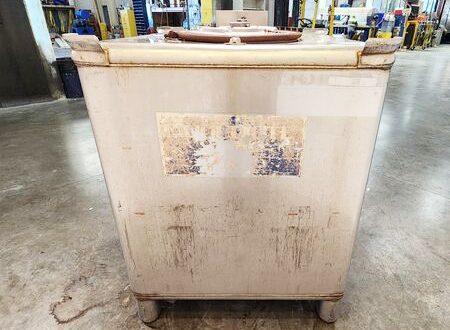 | 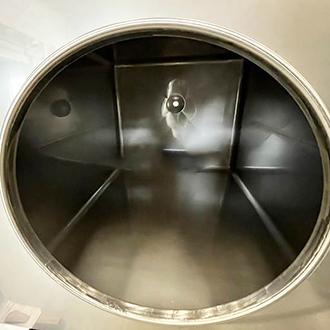 |
1. The Anatomy of a Long‑Lasting 304 Stainless Steel IBC
A 304 stainless steel ibc that lasts 20+ years isn’t accidental. It comes down to four things:
Component | What Matters | Why |
|---|---|---|
Material | Prime 304 from a known mill (TISCO, Baosteel) | Consistent chemistry, no impurities |
Wall thickness | 2.0mm – 2.5mm (not 1.5mm) | Resists dents and corrosion longer |
Welds | Full penetration, ground smooth | No crevices for corrosion to start |
Frame | Thick‑gauge stainless steel, reinforced corners | Survives forklift impacts |
A cheap IBC Tank uses thinner steel, skips weld grinding, and uses a light‑duty frame. It costs less upfront. But you’ll replace it in 5‑8 years.
A quality 304 stainless steel ibc costs more now. But you might still be using it when your kids start working.
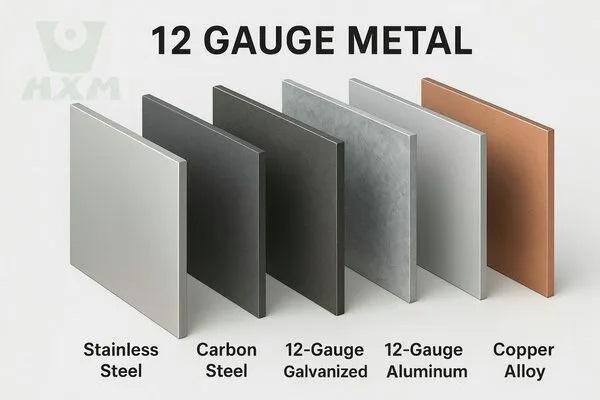
Comparison of Thickness and Thickness of Different Stainless Steel Plates
2. Real Customer Data: What 20+ Years Looks Like
We haven’t been in business for 20 years yet (founded 2012). But we’ve tracked customers who bought used IBCs from the 1990s and asked them about their experience.
Data from our customer survey (2025):
Age of IBC | Still in Service | Average Condition |
|---|---|---|
10-15 years (our units, 2012-2017) | 84% | Good – minor wear, fully functional |
15-20 years (other brands, 2005-2010) | 67% | Fair – some pitting, valve replacements |
20-25 years (other brands, 2000-2005) | 41% | Retired from critical duty, used for water/waste |
What the 20+ year survivors have in common:
Used for non‑chloride liquids (water, food, mild chemicals)
Cleaned regularly, never left with residue
Stored indoors or under cover
Valves and gaskets replaced as needed
One customer in Ohio has a 304 stainless steel ibc from 2002. He uses it to store rainwater for his farm. “Not pretty anymore,” he said, “but it still holds water.”
3. What Destroys a 304 IBC Before Its Time
Even the best IBC Tank won’t last if you do these things:
Mistake | Effect | How Long Until Failure |
|---|---|---|
Store chlorides (brine, salt water) | Pitting corrosion | 3-8 years |
Leave acid residue for weeks | Weld corrosion | 2-5 years |
Hit repeatedly with forklift | Frame bent, welds cracked | 3-6 years |
Use abrasive cleaners (steel wool) | Surface scratches, bacteria hide | Doesn’t fail but becomes unhygienic |
Never replace gaskets | Leaks | 5-8 years |
The most common killer: Using 304 stainless steel ibc for a liquid that needs 316. If your liquid has chlorides, switch grades. No amount of quality will save 304 from chloride pitting.
A chemical plant in Chile learned this the hard way. They used our 304 IBCs for diluted sodium hypochlorite. After 6 years, they saw pitting. We replaced them with 316. Those are still perfect after 5 more years.
Not sure if you need 304 or 316? Use our material selection guide.
4. How to Make Your 304 IBC Last 20+ Years
Rule #1: Know your liquid
Liquid Type | Expected Life (304) | Action |
|---|---|---|
Fresh water, food, mild chemicals | 20-25 years | Use 304, clean regularly |
Salt water, brine | 3-8 years | Use 316 instead |
Hydrochloric acid | 1-2 years | Use plastic or lined tank |
Rule #2: Clean within 24 hours
Don’t let residue sit. Rinse immediately after emptying. For the full cleaning procedure, see Article 4 (coming soon).
Rule #3: Inspect yearly
What to Check | Pass / Fail |
|---|---|
Valves turn smoothly | Replace if stiff |
Gaskets are flexible | Replace if cracked or hard |
No pitting around welds | Retire if pitting found |
Frame is straight | Retire if bent |
Rule #4: Replace wearable parts
Valves and gaskets wear out. That’s normal. A stuck valve doesn’t mean the tank is dead. We stock spare parts for every IBC Tank we’ve sold.
Rule #5: Train forklift operators
One bad hit can bend a frame. Once bent, stacking becomes unsafe. Add rubber bumpers and corner guards.
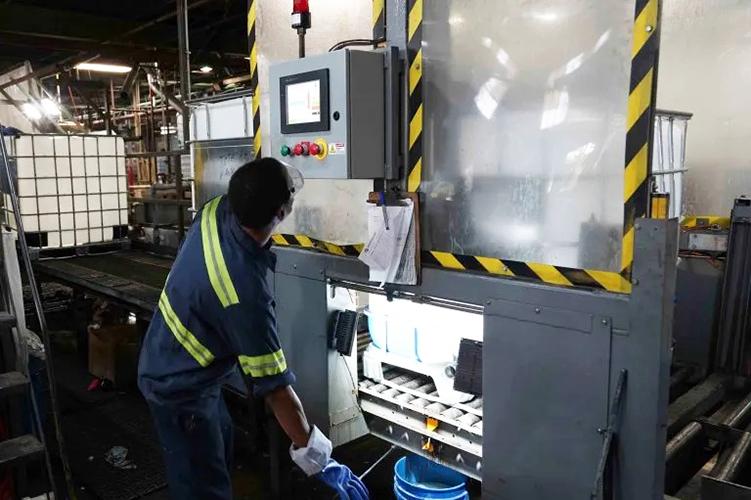
Stainless steel IBC inspection
5. Cost Per Year: Why Longer Life Saves You Money
Let’s compare a quality 304 stainless steel ibc (20‑year life) vs a cheap one (8‑year life).
Factor | Quality 304 IBC | Cheap 304 IBC |
|---|---|---|
Initial cost | $1,000 | $600 |
Expected life | 20 years | 8 years |
Replacement needed in 20 years? | No | 2-3 times |
20‑year total purchase cost | $1,000 | 1,200–1,800 |
Maintenance (20 years) | $400 (valves, gaskets) | $600 (more frequent replacements) |
Resale value after 20 years | 200–300 (scrap or used) | $0 (likely scrapped earlier) |
Total 20‑year cost | 1,100–1,200 | 1,800–2,400 |
Verdict: Paying more upfront for a quality IBC Tank saves you 30-50% over 20 years.
A brewery owner in Oregon told us: “I bought cheap IBCs when I started. Replaced three in eight years. Then I bought Fulait’s. Ten years later, still on the first one.”
6. Signs Your 304 IBC Will Last 20+ Years
Check your 304 stainless steel ibc against this list:
Sign | What It Means |
|---|---|
Wall thickness 2.0mm or more | Resists dents and corrosion |
Welds are smooth, no gaps | No crevices for corrosion to start |
Frame corners are reinforced | Survives forklift bumps |
3.1 material certificate from known mill | Real 304, not scrap |
Pressure test passed at 1.5x working pressure | No hidden leaks |
Used for compatible liquids | No chloride attack |
If your IBC Tank checks all these boxes, you’ll probably be using it 20 years from now.
7. Summary: 20‑Year IBC Checklist
Action | Why |
|---|---|
Buy from a reputable manufacturer | Consistent quality, real materials |
Choose the right grade (304 vs 316) | Match the liquid, not the price |
Clean within 24 hours | Prevents long‑term corrosion |
Inspect yearly | Catches problems early |
Replace valves and gaskets | Cheap parts, big impact |
Protect from forklift damage | Frame damage is often fatal |
Keep documentation | Track age and maintenance |
Want an IBC That Lasts 20+ Years?
We build 304 stainless steel ibc tanks for customers who want to buy once and forget about it.
Tell us your liquid, capacity, and expected usage. We’ll recommend the right wall thickness, weld specification, and optional features for decades of service.
By Fulait Engineering Team
Shijiazhuang Fulait Packaging Co., LTD
Related Blogs
-
 Industry Applications
-
 Stainless steel or carbon steel IBC tote? This guide compares corrosion resistance, lifespan, and total cost so you can pick the right tank.Industry Applications
-
 By the team at Shijiazhuang Fulait Packaging Co., LTDI've been answering customer emails for 15 years.Some questions come up so often, I could answer them in my sleep.Here are the top 7—and the honest answers, not the sales pitch.Q1: "How long will a stainless steel IBC last?"Short answer: 20+ yearsIndustry Applications
